

About us
We’re proud to be part of the Queenstown community for over a decade, helping people move better, recover fully, and return to the activities that matter most. Every patient deserves to feel heard, respected, and supported. We welcome people of all cultures, identities, and backgrounds, and tailor our care to meet each person’s individual needs.
Quality time - Extended initial assessments so nothing is rushed or overlooked.
Holistic care - Combining hands-on treatment, exercise, education, and lifestyle support.
Collaboration - Working alongside like-minded health professionals to get you the right care at the right time.
Meet our team

Jodi Currie
I am a senior physiotherapist and registered hand therapist with over 23 years of clinical experience. My clinical work spans acute orthopaedic and hand injuries through to the assessment and management of chronic and persistent pain conditions.
A strong focus of my practice is skilled manual therapy and hands-on bodywork. I believe that tissues often hold important clues to a person’s story, reflecting patterns of injury, protection, adaptation, and stress over time. For this reason, I assess and treat the body as an integrated system, rather than focusing solely on the site of pain or injury.
In hand therapy and acute orthopaedic rehabilitation, this approach allows for meticulous, structure-specific care, including splinting and staged rehabilitation, while still considering the wider influences on healing and recovery. In people with persistent or complex pain presentations, the same principles extend into a broader exploration of nervous system sensitisation, load tolerance, and the interaction between physical symptoms and lived experience.
I place significant value on taking a thorough and attentive history. Understanding the full context of a person’s symptoms is central to how I work and guides all clinical decision-making.
My ongoing professional development reflects a deliberate shift toward integrating contemporary pain science, neurophysiology, and emerging research around autonomic regulation and the mind–body interface. These frameworks help explain why symptoms may persist despite appropriate tissue healing, and why supporting regulation, safety, and confidence within the body is often a key component of recovery.
Sessions are collaborative and individualised. Treatment may include detailed orthopaedic assessment, splinting, skilled manual therapy, movement-based rehabilitation, education, and strategies that support nervous system regulation. The aim is not simply symptom relief, but to help people regain trust in their bodies and return to meaningful activity with resilience and clarity.
I am particularly drawn to working with individuals who feel they have “tried everything,” those with complex or long-standing pain, and people navigating the space between structural injury and persistent symptoms. My role is to bring clarity, technical expertise, and calm to what can often feel like a confusing rehabilitation journey.
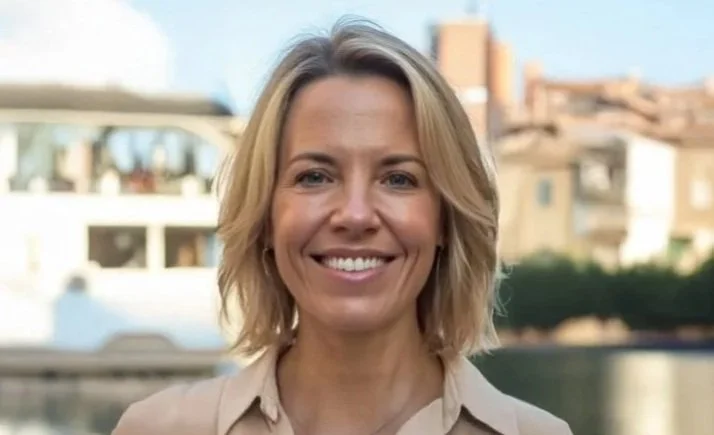
Kate Campbell
Women's Pelvic Health Physiotherapist
BPhysiotherapy (Hons), BSc. Kinesiology
Empowering women through holistic, empathetic, evidence-based pelvic health care.
Kate completed her physiotherapy degree at the University of Otago in 2014. She was always drawn to women’s health, but her physiotherapy career began with a keen interest in sports. Becoming a sports physio was the natural step for her to build on her background in strength and conditioning and exercise physiology with university athletes in Canada. Kate developed a strong understanding of movement and performance before her focus shifted to pelvic health.
Her passion for women's pelvic health grew after her own experience with complex birth injuries. Through her recovery journey, she discovered how powerful the support of specialised pelvic health care can be and felt inspired to dedicate her career to helping other women thrive during the perinatal period and for the years to come. It became clear to Kate that women's pelvic health was one of the most meaningful areas of physio imaginable, and that more practitioners were needed in this scope of practice.
Kate now works with women through all stages of pregnancy and postpartum, supporting those experiencing pelvic girdle pain, incontinence, prolapse and breast-feeding issues like blocked ducts and mastitis. Kate also has a particular interest in improving education and awareness of birth injury prevention and early postnatal care.
She offers a warm, compassionate, women-centred approach to this sensitive area of physiotherapy, empowering women to reconnect with their bodies and make a joyful, confident return to the activities that they love.
As a mum of two, she understands the challenges women face in maintaining life and body balance, and she supports women through their pelvic rehabilitation by offering tools and strategies for healing and recovery.
Outside of the clinic, Kate enjoys hiking and biking in the mountains and spending time on her meditation mat. This stage of life has brought Kate back to her roots, and she is loving her return to lifting heavy things at the gym.
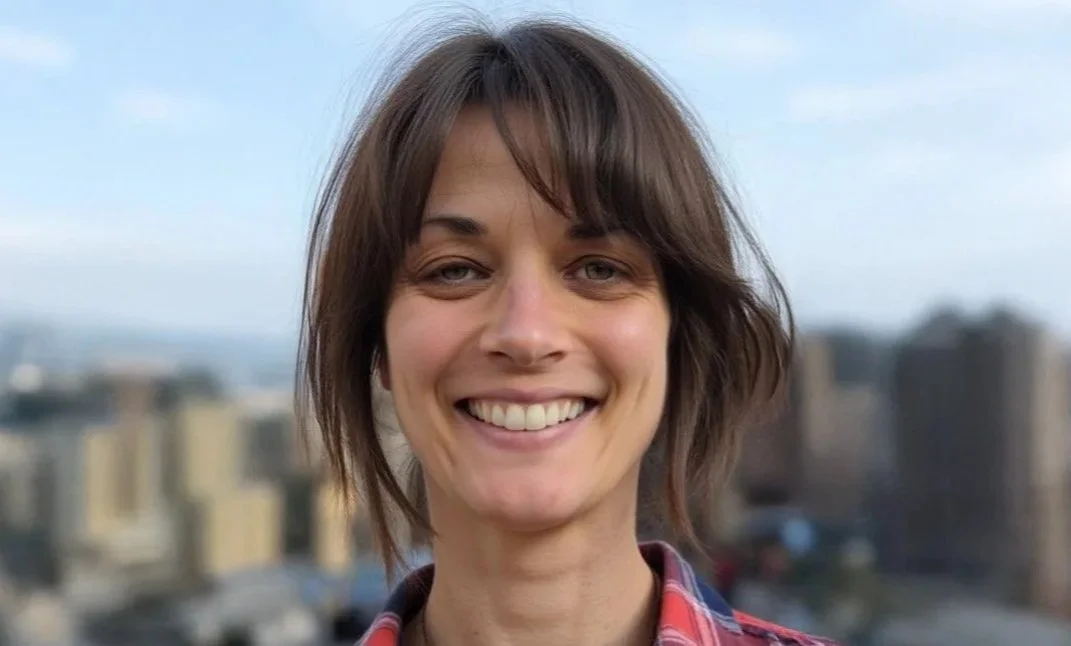
Cathy Jensen
Women's Pelvic Health Physiotherapist
BScPT
Cathy graduated from the University of Ottawa (Canada) in 2005 with a Bachelor of Science in Physiotherapy. Not long after graduation Cathy followed her love for the mountains and moved to Vancouver, Canada where she pursued her career in an outpatient orthopaedic practice gaining her experience working with sports injuries – running, skiing, biking and rock climbing; work related injuries especially repetitive strain and postural dysfunction; as well as with motor vehicle accidents.
Cathy’s continuing education has centered around orthopaedic manual therapy training including an Integrated System Model approach, as well as muscle imbalances and movement impairment. Following her relocation to Queenstown New Zealand to continue adventure racing with her partner, Cathy has been involved working with the Queenstown Figure Skating Club, local rugby clubs and more recently the Queenstown Highland Dance Club with a focus on strength conditioning, balance, flexibility and general body awareness.
When not at work, Cathy is usually in the outdoors with her family camping, hiking, cross country skiing and more recently on the sideline watching her kids play sports. You will also find her training with the Wakatipu Hockey Club during the winter months. She is also fluent in French…well, Quebecoise, really.
Experience in:
• Orthopaedics – manual therapy and post-op rehabilitation
• Sports injuries prevention, assessment and treatment
• Strength and conditioning
• Muscle imbalances and movement impairment
• Hydrotherapy
• Sports and postural taping
• Acupuncture
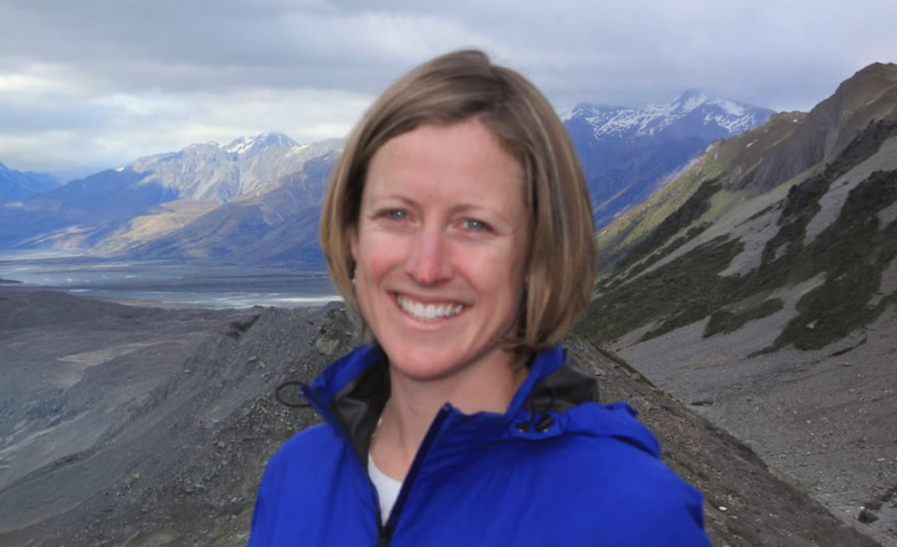
Natalie Haines
Natalie is an experienced physiotherapist with a warm, practical approach to helping people recover from injury and return to the activities they love.
Originally from the UK, she moved to Queenstown in 2012 and has since worked with everyone from high-level athletes to busy parents and weekend warriors.
With a background in musculoskeletal and sports injuries, as well as specialist training in Hand and Upper Limb Therapy, Natalie is skilled in treating everything from acute injuries, post-surgical rehabilitation and complex injuries to long-term pain conditions. She also has a special interest in pain management and the role of psychology in recovery, ensuring her patients feel supported both physically and mentally.
Having worked with New Zealand’s national ice hockey team (NZ Ice Blacks), the Skycity Stampede, and other elite rugby and football teams across New Zealand, Australia, and the UK, Natalie brings the same high-performance expertise to her everyday practice.
Outside the clinic, you’ll find her running, doing Pilates, and spending time with her young family.
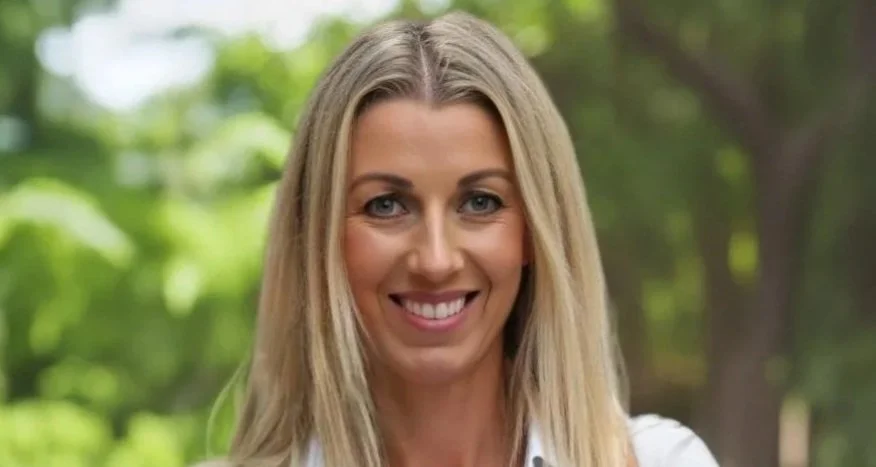
Nika Zhang
Hello, I’m Nika Zhang, a registered acupuncturist and ACC treatment provider with a deep passion for holistic health. I bring both Eastern and Western training to my practice, having studied Traditional Chinese Medicine in China and completed a Bachelor of Health Science (Acupuncture) here in New Zealand. I am fluent in English, Mandarin, and Cantonese, which helps me connect comfortably with people from diverse cultural backgrounds.
Since 2020, I’ve been serving the Queenstown and Cromwell community, giving me valuable insight into local health needs. I enjoy building trusting relationships with my patients and take a gentle, attentive approach—whether using acupuncture, tuina (Chinese massage), moxibustion, cupping or herbal advice.
I particularly love helping people with conditions commonly seen in our region, such as hay fever, allergies, menstrual health issues, nervous system disorders, and sports injuries. My goal is to support each person’s wellbeing in a natural, effective way.
I’m excited to now be working at The Body Mechanics Physio, where I can continue doing what I love—helping people move, feel, and live better.
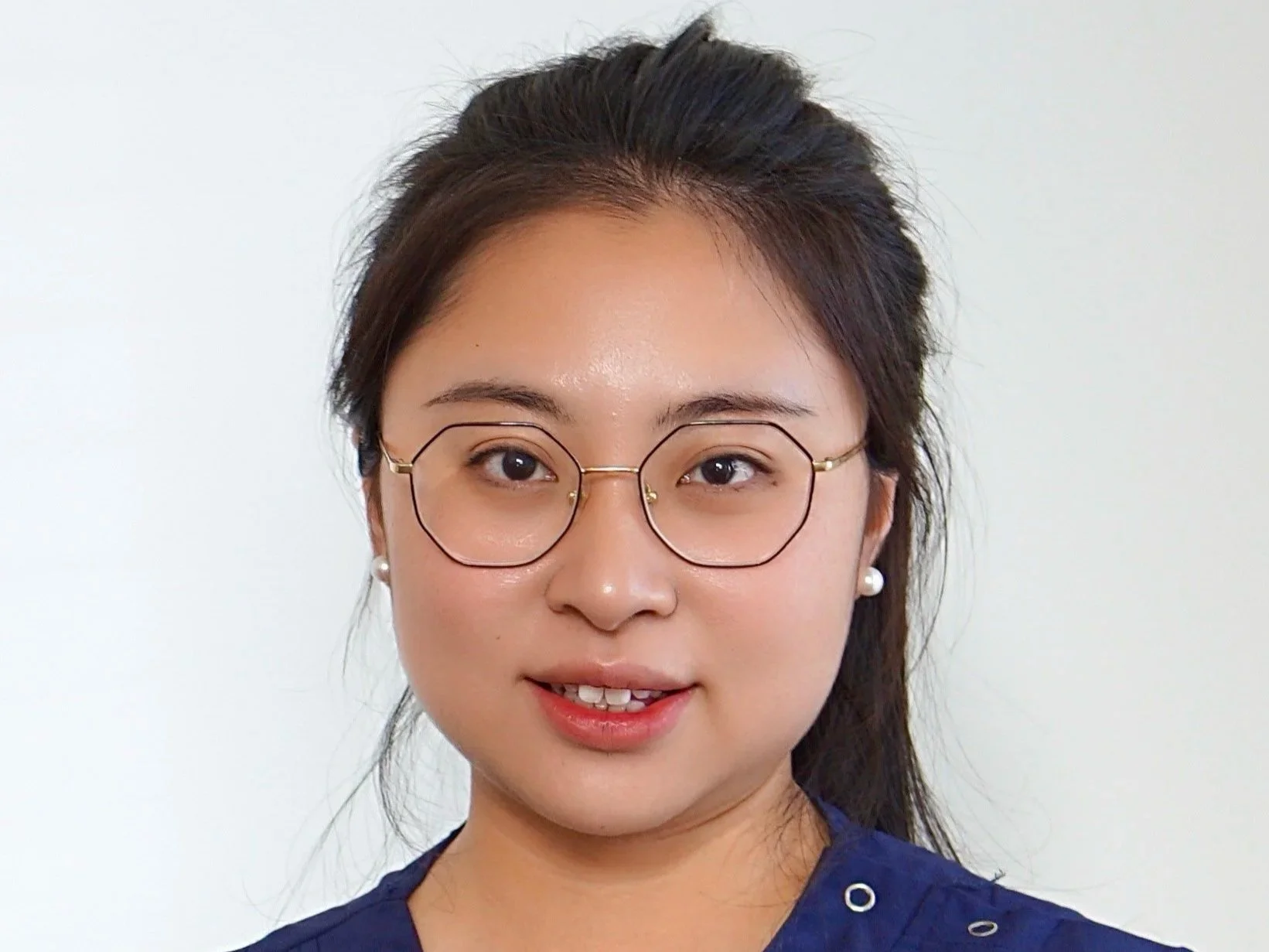
Pip Lane
Pip trained as a physiotherapist in Auckland, graduating in 1983. She went straight into private practice, working as a musculoskeletal therapist at Queenstown Physiotherapy. In 1994, she completed postgraduate studies in manipulative physiotherapy in Auckland, then returned to Queenstown to become a partner in the business and enjoyed many years of involvement in the Queenstown community.
Later in her career, she worked in a persistent pain clinic in Australia. This experience confirmed the missing piece of the puzzle: not all pain behaves the same, and effective care requires a biopsychosocial approach to patient management.
On her return to Queenstown in 2016 with her partner, Andy Ralph, they opened MOVE Physiotherapy and Pain Management and continued this holistic approach to patient care.
During her 40-plus years as a clinician, Pip has seen trends come and go, but believes there are three vitally important aspects of effective treatment. Firstly, a thorough initial assessment that listens to the patient’s pain experience in a supportive environment. Secondly, a treatment plan that includes appropriate manual therapy and a tailored exercise programme. Thirdly, patient education that empowers people to manage their pain and regain confidence to live an active, meaningful life.
When not at work, Pip enjoys spending time with her family. She loves hiking in the mountains, spending time by the ocean, and practising yoga.